


Save 9%
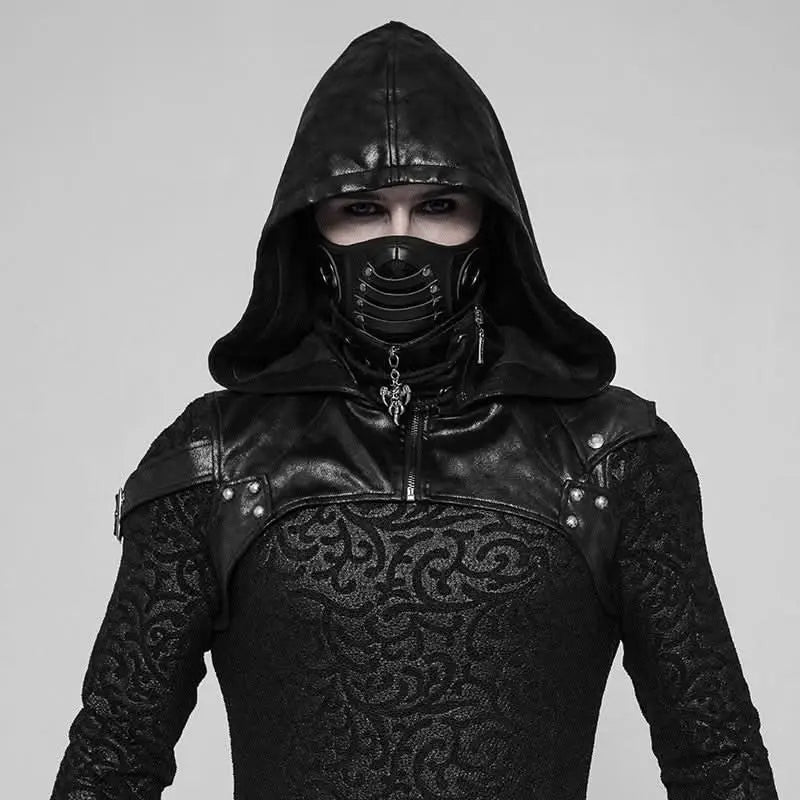
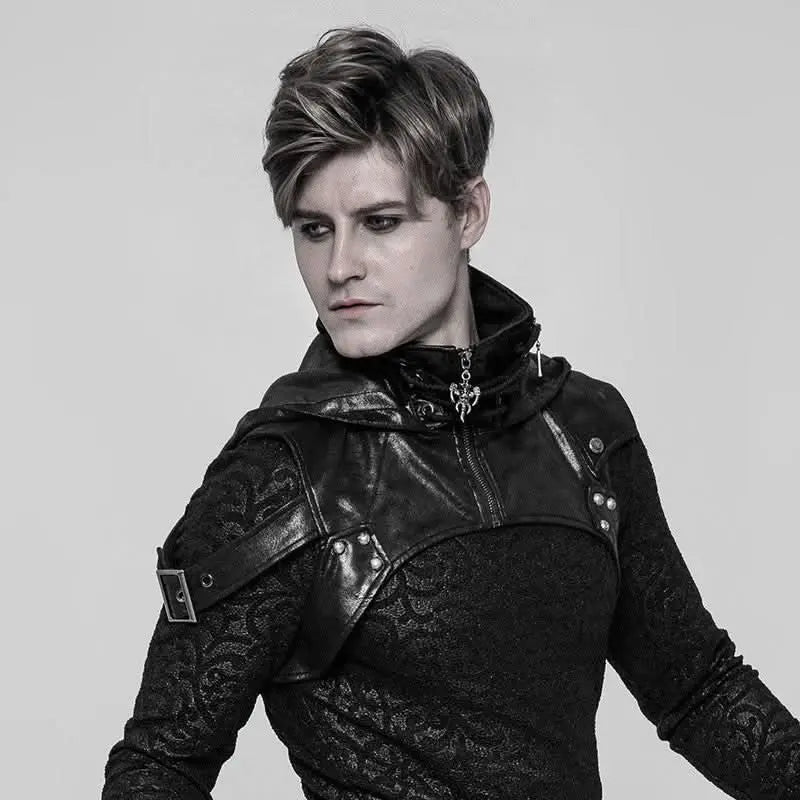
Save up to 10%
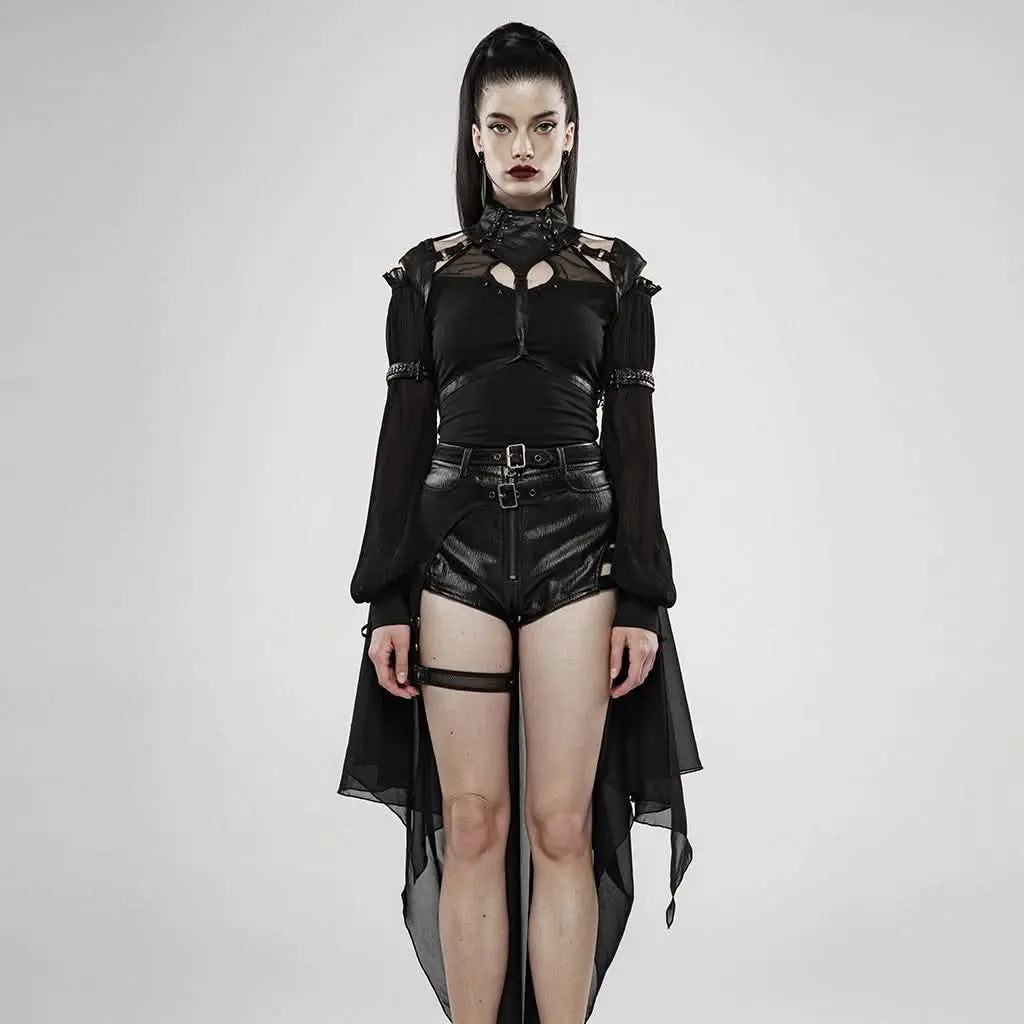
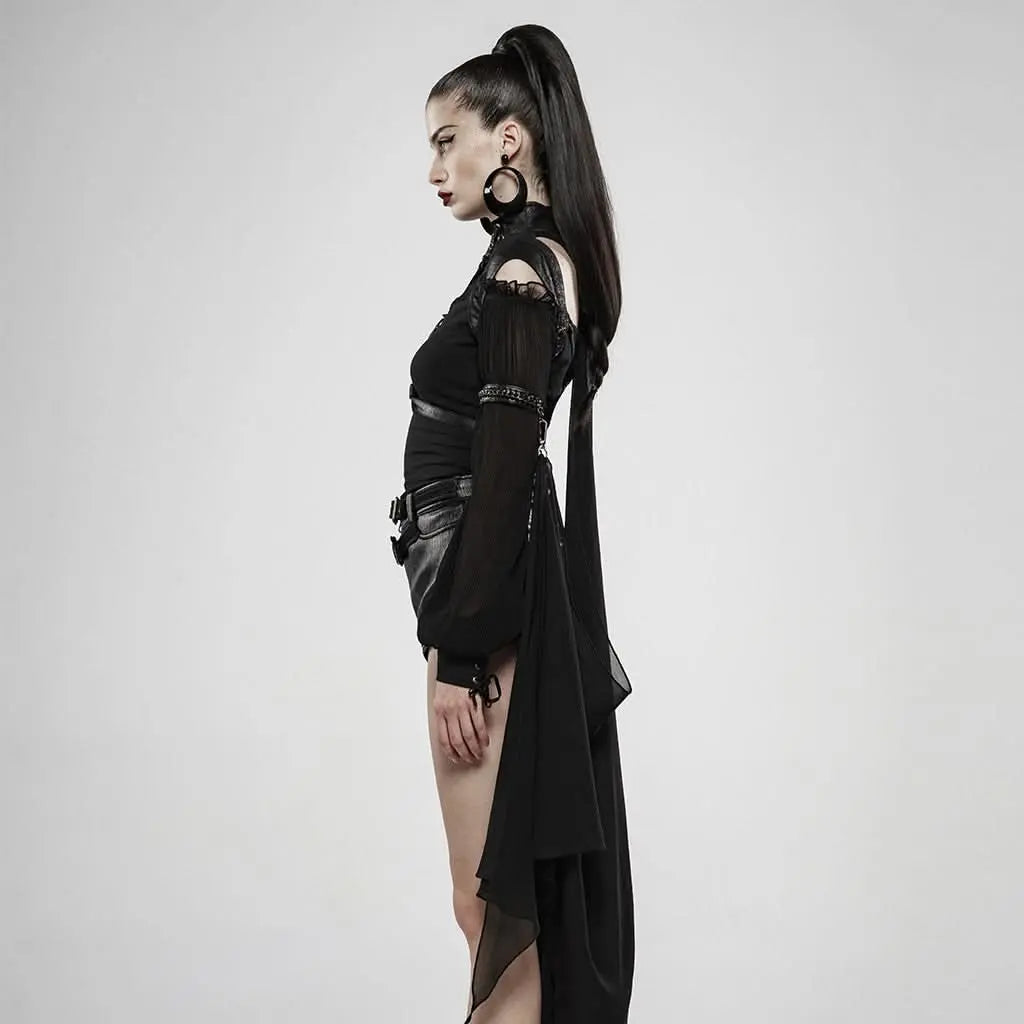
Save up to 7%


Save up to 8%
Save 14%
skip the black friday stampede
VIPs get the code before the doors open. free to join.
you’re in 🖤
use code WELCOME27 for 27% off your first order.



Save 9%


Save 8%


Cape or cloak: length, closure and wear
Cape or cloak
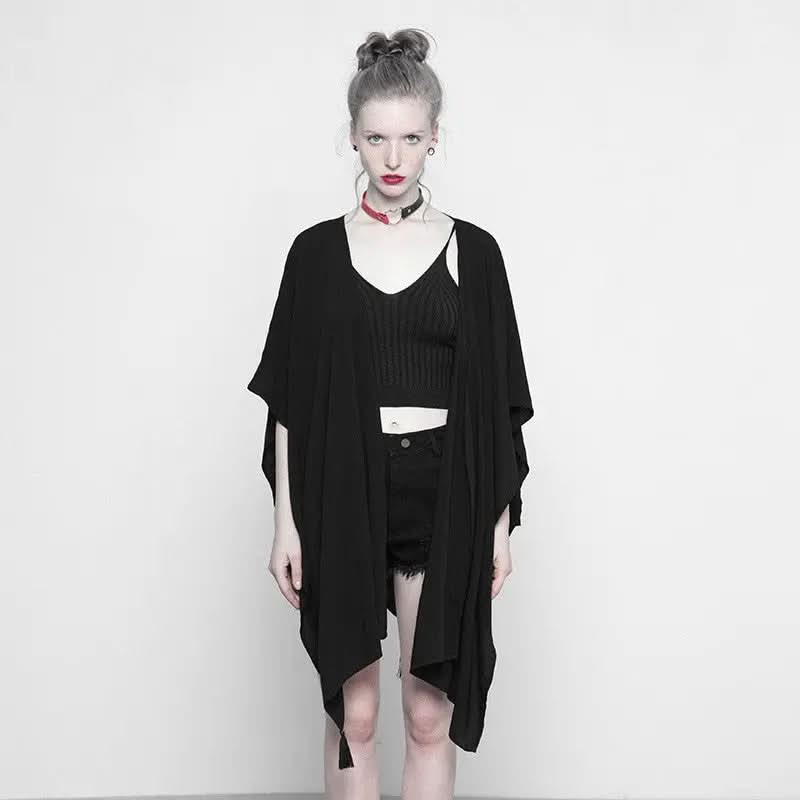
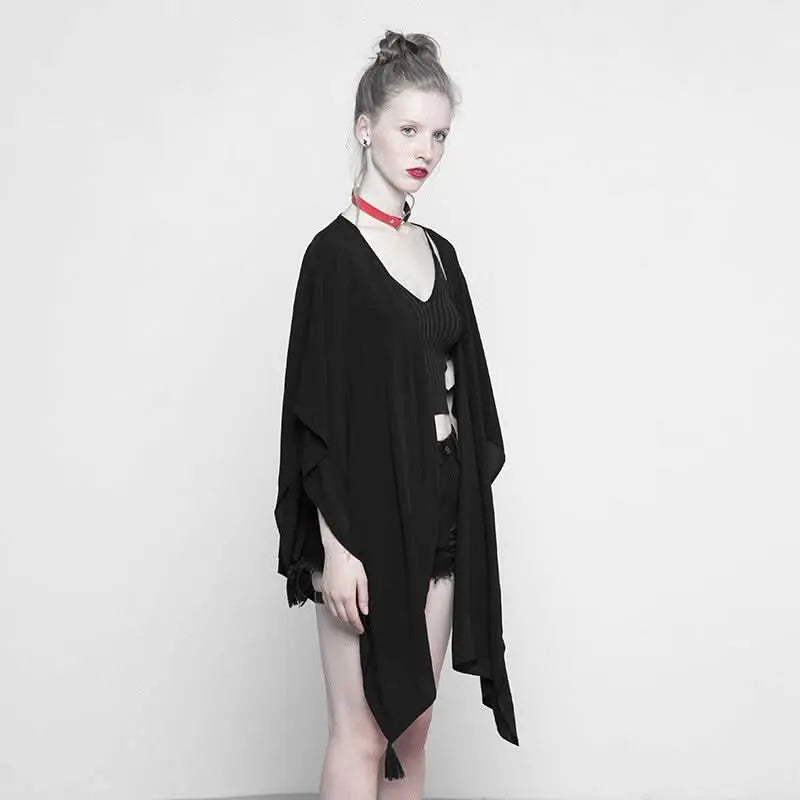
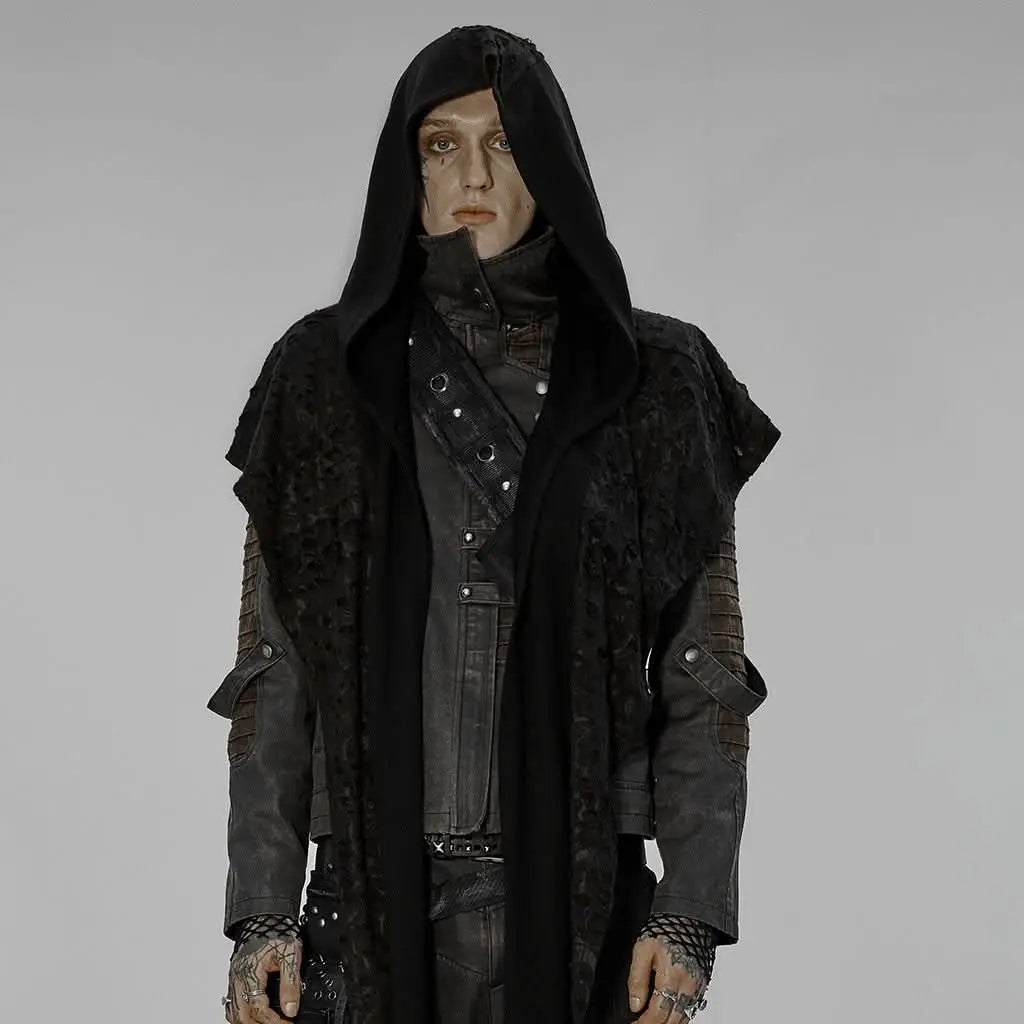
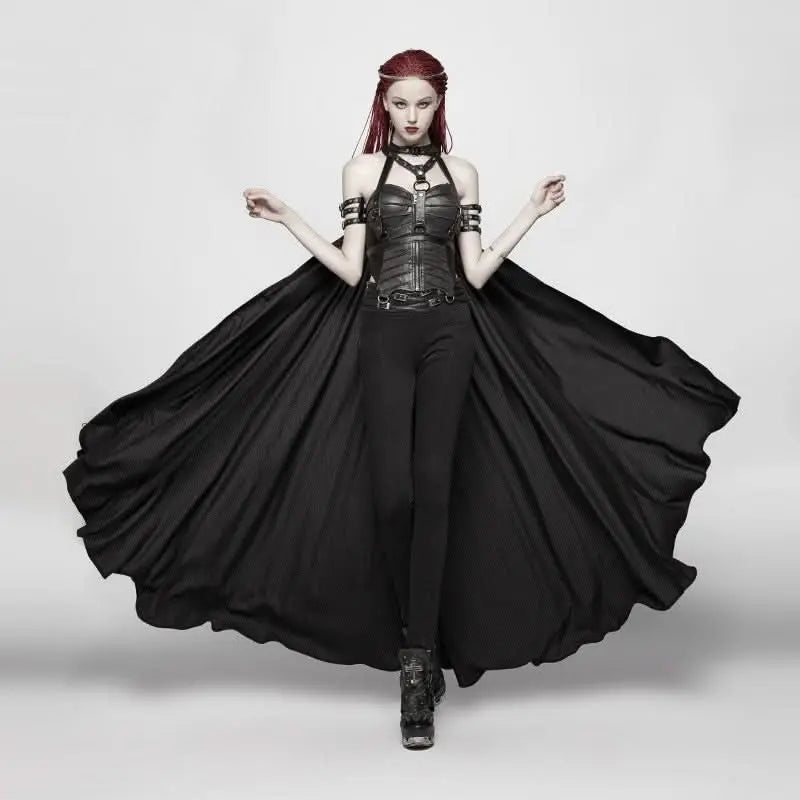
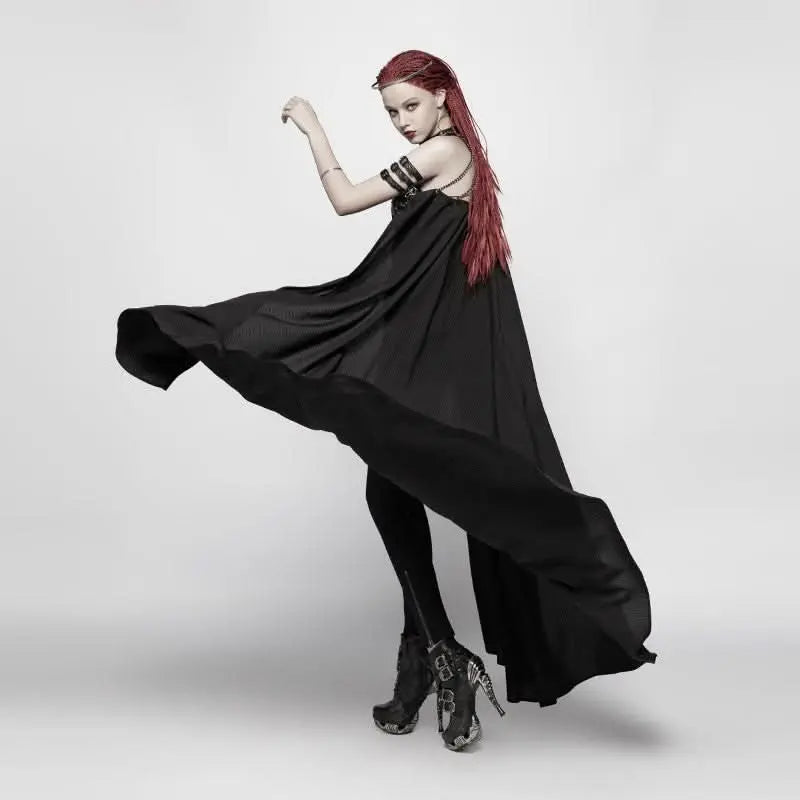
A cape stops at or above the hip and sits over a coat or dress as a decorative layer. A cloak is full length, closes at the throat and functions as the outer garment on its own. Hooded styles are almost always cloaks; capelets and shoulder capes are the shorter decorative end of the range.
| Type | Length | Closes with | Function |
|---|---|---|---|
| Capelet | Shoulder | Clasp, ribbon | Decorative |
| Cape | Hip | Frogging, clasp | Layer |
| Cloak | Ankle | Throat clasp | Outer garment |
| Hooded cloak | Ankle, hood | Clasp, ties | Outer garment |
Fit and care
Capes and cloaks are drafted one-size or with wide adjustment, since they hang from the shoulder rather than fitting the body. Velvet and brocade are dry clean only; wool blend can be brushed. Store hanging on a wide hanger so the shoulder line does not crease.
Frequently asked
- What is the difference between a cape and a cloak?
- A cape stops at the hip and layers over other outerwear. A cloak is full length and works as the outer garment on its own.
- Are capes one size?
- Most are, or come with wide adjustment, because they hang from the shoulder rather than fitting the body.
- Can a cloak be worn in winter?
- The wool blend and lined styles yes. Velvet and chiffon capes are decorative rather than warm.
- How do you clean a velvet cape?
- Dry clean only. Velvet marks permanently with water and loses its pile if washed.